Buy aefca.eu ?
We are moving the project
aefca.eu .
Are you interested in purchasing the domain
aefca.eu ?
domain@kv-gmbh.de · 0541-91531010
Buy aefca.eu ?
What characterizes the Dark Ages?
The Dark Ages, also known as the Early Middle Ages, were characterized by a decline in centralized authority, cultural stagnation, and economic instability following the fall of the Western Roman Empire. This period saw a lack of significant advancements in science, technology, and the arts, as well as a decrease in urbanization and trade. The Dark Ages were marked by frequent invasions, warfare, and the spread of disease, leading to a general sense of insecurity and a focus on survival rather than progress. **
Was the Middle Ages a dark time?
The Middle Ages is often referred to as a "dark" time due to the popular perception of it being a period of ignorance, superstition, and lack of progress. However, this view is not entirely accurate. While the Middle Ages did have its share of challenges such as disease, warfare, and social inequality, it was also a time of great cultural, artistic, and intellectual achievements. The era saw the construction of magnificent cathedrals, the development of universities, and the preservation and transmission of knowledge from ancient civilizations. Therefore, while the Middle Ages had its difficulties, it was also a time of significant advancements and contributions to human history. **


Similar search terms for Dark Ages
Top-Angebote
Products related to Dark Ages:
-
Lightning Train Board Game - Strategic Bag-Building, Railway Network Development, Ages 8+, by DirewolfBuild a railway empire across a changing landscape in Lightning Train, a strategic board game for players who enjoy planning, resource management, and competitive route development. Develop your company by adding useful resources to your bag, then draw and place chips to establish stations and connect train lines across eight regions of North America. Each decision helps shape your network, but limited opportunities mean you must decide which routes and stations are worth pursuing. Deliver goods to cities, improve your railway operation, and use powerful trains to accelerate your plans. Players can compete directly for valuable routes or work together while still seeking their own path to victory.41,29 £*Shipping: 3,95 £Secure redirect to the provider
-
Toniebox Tonies - Daily Routines – Toothbrush Timer for Kids, Ages 3 and Up, Oral Hygiene EducationHelp your child develop good oral hygiene habits with the Tonies - Daily Routines – Toothbrush Timer. This device is designed for kids aged 3 and up, and its cheerful design and interactive features make brushing teeth a fun and engaging experience. The Tonies - Daily Routines – Toothbrush Timer guides children through their brushing routine with fun sounds and visual cues, helping them learn how long to brush and reinforcing healthy habits. Its child-friendly design encourages independence and confidence in young brushers, while providing peace of mind for parents.7,19 £*Shipping: 3,95 £Secure redirect to the provider
-
Perfect Picks Market Geometric Building Blocks Set For Kids Early Education Intelligence Development Toy Geometric Building Blocks Set For Kids Early Education Intelligence Development ToyUnlock your child's potential with this early education equipment designed to stimulate creativity and intelligence! This geometric set is the perfect building block toy for boys, helping to develop problemsolving skills while having fun. The...35,97 $*Shipping: 0,00 $Secure redirect to the provider
-
Ravensburger: The Gruffalo Deep Dark Wood Game for Families, Ages 6+, Card GameJoin the adventure as a clever mouse takes a stroll through the enchanting deep, dark wood. Along the way, encounter a fox, an owl, and a snake who have set their sights on the mouse, considering it a snack. Your mission is to safely guide the mouse back to its cozy home. To accomplish this journey, you'll need a dash of luck with the dice and a sharp memory. Keep your wits about you and watch for the image of the Gruffalo lurking beneath the trees. If you spot the Gruffalo, use your newfound courage to scare away the hungry animals that threaten the mouse's journey. This game combines elements of chance and memory, making it a fun and family-friendly activity for players of all ages. Enter the magical world of the Gruffalo, where each roll of the dice and every memory recall could determine the mouse's fate. Enjoy hours of fun and adventure as you help the mouse navigate the deep, dark wood.7,29 £*Shipping: 3,95 £Secure redirect to the provider


-
How were dark-skinned people treated in the Middle Ages?
In the Middle Ages, dark-skinned people were often treated as inferior to lighter-skinned individuals. They were often subjected to discrimination, prejudice, and even slavery. The concept of race as we understand it today did not exist in the same way during the Middle Ages, but people with darker skin were often seen as "other" and were frequently marginalized and oppressed. However, it's important to note that the treatment of dark-skinned people varied depending on the time period, geographical location, and specific cultural and social contexts. **
-
Was the European Middle Ages really such a dark time?
The European Middle Ages is often portrayed as a dark and backward period in history, but this is an oversimplification. While there were certainly challenges such as disease, warfare, and political instability, there were also significant advancements in art, architecture, philosophy, and science. The period saw the rise of universities, the development of Gothic architecture, and the preservation and transmission of knowledge from ancient civilizations. Additionally, the Middle Ages laid the foundation for the Renaissance and the Age of Enlightenment, which were periods of great intellectual and cultural growth. Therefore, while the Middle Ages had its difficulties, it was also a time of innovation and progress. **
-
Were there dark-skinned knights in the Middle Ages or not?
Yes, there were dark-skinned knights in the Middle Ages. While the popular image of knights in European history often depicts them as white, there were actually knights of various ethnicities and backgrounds. Historical records and artwork from the Middle Ages show that people of African and Middle Eastern descent served as knights in Europe. These individuals played important roles in medieval society, including serving as military leaders, diplomats, and administrators. **
-
How can one argue that the Middle Ages were not a dark age?
One can argue that the Middle Ages were not a dark age by highlighting the advancements and achievements made during this period. The Middle Ages saw significant developments in architecture, art, literature, and philosophy, such as the construction of magnificent cathedrals, the emergence of Gothic art, the works of renowned scholars like Thomas Aquinas, and the preservation of ancient texts by medieval monks. Additionally, the Middle Ages laid the foundation for the Renaissance and the Age of Enlightenment, demonstrating that it was a time of progress and innovation rather than stagnation. **
How was education in the Middle Ages?
Education in the Middle Ages was primarily centered around the Church and was focused on religious teachings and Latin language. The education system was hierarchical, with only the wealthy and nobility having access to formal education. Most education took place in monasteries and cathedral schools, where students learned about theology, philosophy, and classical literature. The curriculum was limited, and there were few opportunities for practical or vocational training. Overall, education in the Middle Ages was limited in scope and accessibility, with a strong emphasis on religious instruction. **
Why was there no education in the Middle Ages?
Education was limited in the Middle Ages due to various factors. One reason was the lack of resources and infrastructure to support widespread education. Additionally, the focus during this time was more on survival and meeting basic needs rather than on intellectual pursuits. The control of education by the church also limited access to education for the general population, as it was primarily reserved for the clergy and nobility. **
Top-Angebote
Products related to Dark Ages:
-
Coming of Age Board Game by Ludonova, Ages 12+, Story-Driven Development, Dice-Management Mechanism, Personal Life Goals, Family GameIn Coming of Age, players guide a character from childhood through adolescence, making choices that shape their interests, skills, personality, and future ambitions. Each player begins with a limited range of interests and abilities, then develops through experiences encountered during the game. Use dice management to decide where to go and which opportunities to pursue. Visits around the city introduce new experiences, while interactions and personal decisions influence the traits recorded on your individual player board. Along the way, you will form memories, make friends, fall in love, and learn to handle setbacks. The aim is to fulfill personal life goals by balancing development, independence, and the experiences that define your character. Parental support is important early in the journey, but your choices gradually open up new possibilities as you grow.42,59 £*Shipping: 3,95 £Secure redirect to the provider
-
Furnace Board Game - Engine-Building Strategy Gameplay, Industrial Development, Ages 8+, by Arcane WondersBuild an industrial empire in Furnace, an engine-building strategy game set during the rise of 19th-century capitalism. Players take the roles of ambitious industrialists, competing to develop profitable corporations and generate wealth. Acquire companies through an innovative auction system, then use their abilities to extract resources, refine materials, and create efficient production chains. Careful timing and clever combinations are essential as each decision can improve your engine or give an opponent an advantage. This game features engine-building strategy gameplay, industrial development, and resource processing, with company acquisition through auctions. It's a competitive play focused on efficiency and profit, suitable for strategy game enthusiasts. The supplied item is the standard Furnace board game edition.33,79 £*Shipping: 3,95 £Secure redirect to the provider
-
Lightning Train Board Game - Strategic Bag-Building, Railway Network Development, Ages 8+, by DirewolfBuild a railway empire across a changing landscape in Lightning Train, a strategic board game for players who enjoy planning, resource management, and competitive route development. Develop your company by adding useful resources to your bag, then draw and place chips to establish stations and connect train lines across eight regions of North America. Each decision helps shape your network, but limited opportunities mean you must decide which routes and stations are worth pursuing. Deliver goods to cities, improve your railway operation, and use powerful trains to accelerate your plans. Players can compete directly for valuable routes or work together while still seeking their own path to victory.41,29 £*Shipping: 3,95 £Secure redirect to the provider
-
Toniebox Tonies - Daily Routines – Toothbrush Timer for Kids, Ages 3 and Up, Oral Hygiene EducationHelp your child develop good oral hygiene habits with the Tonies - Daily Routines – Toothbrush Timer. This device is designed for kids aged 3 and up, and its cheerful design and interactive features make brushing teeth a fun and engaging experience. The Tonies - Daily Routines – Toothbrush Timer guides children through their brushing routine with fun sounds and visual cues, helping them learn how long to brush and reinforcing healthy habits. Its child-friendly design encourages independence and confidence in young brushers, while providing peace of mind for parents.7,19 £*Shipping: 3,95 £Secure redirect to the provider
-
What characterizes the Dark Ages?
The Dark Ages, also known as the Early Middle Ages, were characterized by a decline in centralized authority, cultural stagnation, and economic instability following the fall of the Western Roman Empire. This period saw a lack of significant advancements in science, technology, and the arts, as well as a decrease in urbanization and trade. The Dark Ages were marked by frequent invasions, warfare, and the spread of disease, leading to a general sense of insecurity and a focus on survival rather than progress. **
-
Was the Middle Ages a dark time?
The Middle Ages is often referred to as a "dark" time due to the popular perception of it being a period of ignorance, superstition, and lack of progress. However, this view is not entirely accurate. While the Middle Ages did have its share of challenges such as disease, warfare, and social inequality, it was also a time of great cultural, artistic, and intellectual achievements. The era saw the construction of magnificent cathedrals, the development of universities, and the preservation and transmission of knowledge from ancient civilizations. Therefore, while the Middle Ages had its difficulties, it was also a time of significant advancements and contributions to human history. **
-
How were dark-skinned people treated in the Middle Ages?
In the Middle Ages, dark-skinned people were often treated as inferior to lighter-skinned individuals. They were often subjected to discrimination, prejudice, and even slavery. The concept of race as we understand it today did not exist in the same way during the Middle Ages, but people with darker skin were often seen as "other" and were frequently marginalized and oppressed. However, it's important to note that the treatment of dark-skinned people varied depending on the time period, geographical location, and specific cultural and social contexts. **
-
Was the European Middle Ages really such a dark time?
The European Middle Ages is often portrayed as a dark and backward period in history, but this is an oversimplification. While there were certainly challenges such as disease, warfare, and political instability, there were also significant advancements in art, architecture, philosophy, and science. The period saw the rise of universities, the development of Gothic architecture, and the preservation and transmission of knowledge from ancient civilizations. Additionally, the Middle Ages laid the foundation for the Renaissance and the Age of Enlightenment, which were periods of great intellectual and cultural growth. Therefore, while the Middle Ages had its difficulties, it was also a time of innovation and progress. **
Similar search terms for Dark Ages
-
Perfect Picks Market Geometric Building Blocks Set For Kids Early Education Intelligence Development Toy Geometric Building Blocks Set For Kids Early Education Intelligence Development ToyUnlock your child's potential with this early education equipment designed to stimulate creativity and intelligence! This geometric set is the perfect building block toy for boys, helping to develop problemsolving skills while having fun. The...35,97 $*Shipping: 0,00 $Secure redirect to the provider
-
Ravensburger: The Gruffalo Deep Dark Wood Game for Families, Ages 6+, Card GameJoin the adventure as a clever mouse takes a stroll through the enchanting deep, dark wood. Along the way, encounter a fox, an owl, and a snake who have set their sights on the mouse, considering it a snack. Your mission is to safely guide the mouse back to its cozy home. To accomplish this journey, you'll need a dash of luck with the dice and a sharp memory. Keep your wits about you and watch for the image of the Gruffalo lurking beneath the trees. If you spot the Gruffalo, use your newfound courage to scare away the hungry animals that threaten the mouse's journey. This game combines elements of chance and memory, making it a fun and family-friendly activity for players of all ages. Enter the magical world of the Gruffalo, where each roll of the dice and every memory recall could determine the mouse's fate. Enjoy hours of fun and adventure as you help the mouse navigate the deep, dark wood.7,29 £*Shipping: 3,95 £Secure redirect to the provider
-
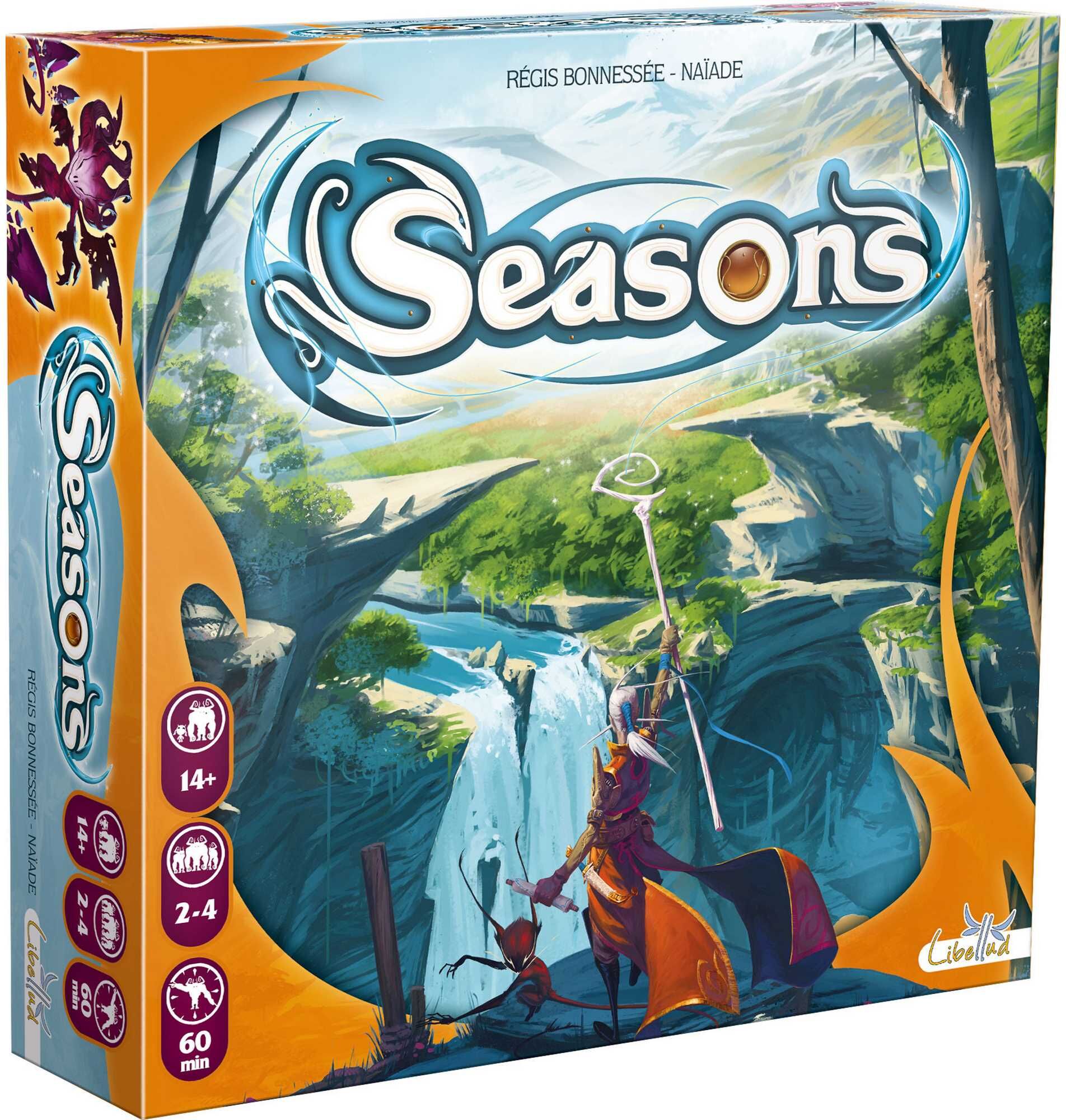
Seasons Card Game - Strategic Drafting and Resource Management, Ages 8+, English-Language Edition by LibelludIn Seasons, players take on the roles of powerful sorcerers competing to become the kingdom's greatest magician. Over the course of a three-year tournament, you will draft cards, summon familiars, and use magical items to develop your magical power. Plan your strategy carefully as the seasons change and the available resources shift. Choose which cards to bring into play, manage your energy, and adapt your tactics as the competition unfolds. This game features strategic card drafting and resource management, magical familiars and enchanted items, a tournament played across three in-game years, and variable strategies and replayable gameplay. Designed for competitive tabletop play, this English-language edition is supplied as a boxed board game.36,09 £*Shipping: 3,95 £Secure redirect to the provider
-
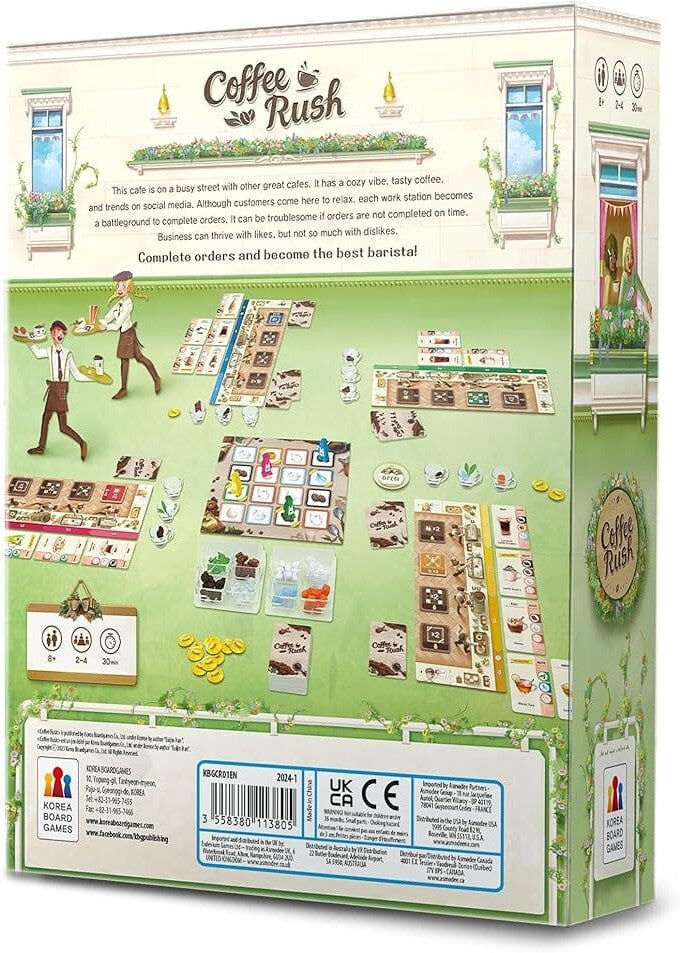
Coffee Rush Board Game - Competitive Coffee-Shop Management Gameplay, Ages 8+, by Korea Board GamesGet ready to manage a busy coffee shop in Coffee Rush, a competitive board game that challenges you to prepare drinks and complete customer orders. Orders build up during peak hours, so careful planning and efficient use of ingredients are essential. Players work to fulfill orders, improve their coffee shop's reputation, and demonstrate their barista skills. Each decision matters as you balance available resources with the demands of waiting customers. This game is designed for players who enjoy strategy and resource management. It's a great addition to any board game collection.26,79 £*Shipping: 3,95 £Secure redirect to the provider
-
Were there dark-skinned knights in the Middle Ages or not?
Yes, there were dark-skinned knights in the Middle Ages. While the popular image of knights in European history often depicts them as white, there were actually knights of various ethnicities and backgrounds. Historical records and artwork from the Middle Ages show that people of African and Middle Eastern descent served as knights in Europe. These individuals played important roles in medieval society, including serving as military leaders, diplomats, and administrators. **
-
How can one argue that the Middle Ages were not a dark age?
One can argue that the Middle Ages were not a dark age by highlighting the advancements and achievements made during this period. The Middle Ages saw significant developments in architecture, art, literature, and philosophy, such as the construction of magnificent cathedrals, the emergence of Gothic art, the works of renowned scholars like Thomas Aquinas, and the preservation of ancient texts by medieval monks. Additionally, the Middle Ages laid the foundation for the Renaissance and the Age of Enlightenment, demonstrating that it was a time of progress and innovation rather than stagnation. **
-
How was education in the Middle Ages?
Education in the Middle Ages was primarily centered around the Church and was focused on religious teachings and Latin language. The education system was hierarchical, with only the wealthy and nobility having access to formal education. Most education took place in monasteries and cathedral schools, where students learned about theology, philosophy, and classical literature. The curriculum was limited, and there were few opportunities for practical or vocational training. Overall, education in the Middle Ages was limited in scope and accessibility, with a strong emphasis on religious instruction. **
-
Why was there no education in the Middle Ages?
Education was limited in the Middle Ages due to various factors. One reason was the lack of resources and infrastructure to support widespread education. Additionally, the focus during this time was more on survival and meeting basic needs rather than on intellectual pursuits. The control of education by the church also limited access to education for the general population, as it was primarily reserved for the clergy and nobility. **
* All prices are inclusive of VAT and, if applicable, plus shipping costs. The offer information is based on the details provided by the respective shop and is updated through automated processes. Real-time updates do not occur, so deviations can occur in individual cases. ** Note: Parts of this content were created by AI.